
Description: USA mobile proxies and rotating residential IPs deliver higher trust, lower block rates, and better stability than datacenter proxies. Learn how to evaluate speed, uptime, and IP quality for e‑commerce, social media, and scraping.
📌 Summary
Not all proxies are created equal. This guide explains why USA mobile proxies and rotating residential IPs outperform datacenter proxies for modern business workloads — and how to evaluate providers based on connection stability, bandwidth speed, and IP quality rather than just price or pool size alone.
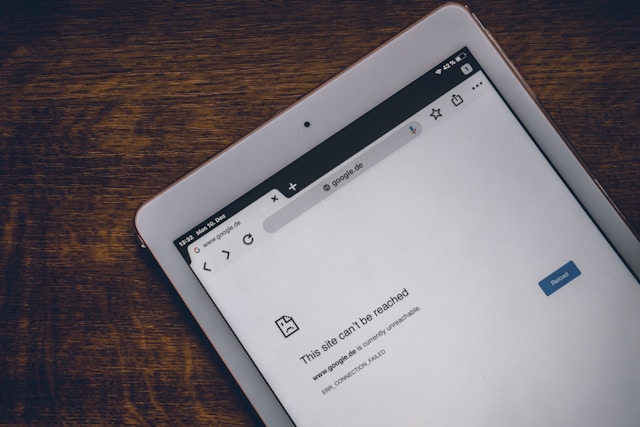
If you've ever tried running a large-scale scraping operation, managing dozens of social media accounts, or monitoring e‑commerce prices across multiple countries, you've likely encountered a frustrating pattern: datacenter proxies get blocked, residential proxies work. In 2026, the gap between these two proxy types has only widened[reference:0].
Modern anti-bot systems like Cloudflare, Akamai, and Distil Networks can identify datacenter IPs almost instantly because they originate from known server farms[reference:1]. Residential proxies, by contrast, use IP addresses assigned by ISPs to real devices — mobile phones, home routers, and computers[reference:2]. To websites, you don't look like infrastructure. You look like a real person.
The Fundamental Difference: Trust vs. Speed
Datacenter proxies are fast and cheap. That's their superpower. A datacenter proxy can deliver sub-50ms latency and gigabit-class speeds because it runs on dedicated server infrastructure[reference:3]. But speed without trust is useless when your target website blocks you after three requests.
Residential proxies offer something datacenter proxies cannot: authenticity. Every residential IP is tied to a real household or mobile device, making it virtually impossible for websites to distinguish proxy traffic from genuine user traffic[reference:4]. This is why residential proxies are the go-to choice for e‑commerce scraping, social media management, and any task that requires sustained, undetected access[reference:5].
💡 Real‑world example: A digital marketing agency managing 100+ client accounts across Instagram, TikTok, and Facebook tried using datacenter proxies. Within 48 hours, 40% of accounts were shadowbanned or suspended. They switched to USA mobile proxies and rotating residential IPs — and the ban rate dropped to near zero[reference:6].
Stability: The Hidden Factor That Makes or Breaks Your Operation
When evaluating USA mobile proxies and rotating residential proxy providers, most people fixate on IP count and price per gigabyte. But stability — the reliability of connections, session persistence, and uptime — is equally critical[reference:7].
A large IP pool doesn't matter if those IPs are slow, frequently offline, or recycled from flagged networks. Premium residential proxy providers maintain 99.9%+ uptime and optimize routing to minimize latency[reference:8]. For context, median latency on residential networks typically runs between 80ms and 200ms depending on pool geography[reference:9] — more than sufficient for most business applications, provided the infrastructure is well-architected.
Sticky sessions are another stability feature that matters. For tasks that require maintaining the same IP across multiple requests — like completing a checkout flow or managing a logged-in social media session — the ability to pin a session to a single IP is non-negotiable[reference:10]. The best rotating residential proxy providers offer flexible session controls, allowing you to rotate IPs per request or maintain sticky sessions for as long as needed.
Bandwidth & Speed: What to Look For
Speed isn't just about raw Mbps — it's about consistent, predictable performance under load. A fast residential proxy has low latency, high throughput, geo-optimized routing, and minimal IP rotation lag[reference:11].
For e‑commerce price monitoring, every millisecond matters. A provider averaging 2 seconds per request means 2,000 seconds for 1,000 requests[reference:12]. For social media automation, slow proxies can trigger platform security systems that detect unusual timing patterns and flag your accounts[reference:13].
When comparing providers, look for:
- Geo-optimized routing — the fastest exit nodes for your target regions
- HTTPS support with TLS 1.3 — secure encryption without performance bottlenecks[reference:14]
- Transparent bandwidth limits — no hidden throttling after a certain threshold
- Low IP rotation latency — important for scraping and botting workloads[reference:15]
Real-World Applications of USA Mobile Proxies & Rotating Residential IPs
🛒 Case 1 — E‑Commerce Price Intelligence (US & Global Markets)
A retail analytics firm tracks competitor pricing across Amazon, Walmart, and Target in the US, UK, and Germany. Using rotating residential proxies with sticky session support, they maintain consistent browsing sessions while rotating IPs between sessions to avoid rate limits[reference:16]. The result: 99%+ data capture rates with zero IP-related blocks.
📱 Case 2 — Multi‑Account Social Media Management (Brazil, India, Mexico, Spain)
A social media agency managing 200+ accounts across Instagram and TikTok uses USA mobile proxies with city-level targeting. Each account is assigned a unique residential IP that matches its target market[reference:17]. Mobile proxies are particularly effective because social platforms are hesitant to block mobile carrier IPs — they risk blocking real users[reference:18].
🌍 Case 3 — Ad Verification & Brand Safety Monitoring
An ad tech company verifies ad placements across 30+ countries using rotating residential proxies. By appearing as local users from each target market, they detect fraudulent or inappropriate ad placements that would be invisible from a single geographic location. Residential proxies are the industry standard for ad verification because they provide the authentic, localized browsing experience that advertisers demand[reference:19].
How to Choose the Right Provider
When evaluating USA mobile proxies and rotating residential proxy providers, use this checklist:
- IP sourcing ethics: Are IPs ethically sourced through opt-in peer networks?[reference:20]
- Uptime guarantees: Look for 99.9%+ uptime SLAs[reference:21]
- Session control: Can you choose between rotating and sticky sessions?[reference:22]
- Geo-targeting depth: Country, city, and carrier-level targeting[reference:23]
- Bandwidth transparency: No hidden throttling or surprise overage charges
- Protocol support: HTTP, HTTPS, and SOCKS5 support
- Documentation & integration: Clear API documentation and SDKs reduce integration time[reference:24]
Ready to switch to USA mobile proxies that actually work?
Enterprise-grade rotating residential proxies with 195+ countries, 90M+ IPs, and 99.9% uptime.
Try our rotating residential proxies — built for scale, designed for reliability.